




Why Choosing the Right Career After 12th Matters
Choosing the right career after 12th is an important decision for every student. After Class 12, students often start searching for entrance exams without first understanding their career goals. As a result, they may choose an exam simply because their friends are preparing for it or because it is popular. However, the right entrance exam should support your long-term career plans. Therefore, it is important to understand your interests, skills, preferred courses, and career goals before making a decision.
With several options such as CUET, CLAT, IPMAT, BBA, BCA, BJMC, and hotel management entrance exams, students have many choices. However, more choices can also create confusion. A clear career plan can help you select the right course and entrance exam with greater confidence.
Choosing the Right Career After 12th Based on Your Interests
Class 12 is an important stage because the decisions you make at this point can influence your higher education and career direction. However, choosing a career does not mean that you have to decide your entire future immediately.
Instead, you should understand what type of work, subjects, and learning environment interest you. For example, a student who enjoys reading, debate, and current affairs may consider law. Similarly, a student interested in business, leadership, and management may explore management-related courses.
Therefore, choosing the right career after 12th should begin with self-understanding rather than simply selecting a popular entrance exam.
A good career decision should consider:
- Your interests and strengths
- Subjects you enjoy studying
- Skills you want to develop
- Preferred work environment
- Long-term career opportunities
- Courses related to your interests
- Entrance exams required for those courses
This approach can make your preparation more focused and meaningful.
How to Decide Your Career Based on Your Interests
One of the first steps in career planning is understanding your interests. Many students focus only on marks and eligibility. However, your interests also matter because they can influence your motivation and performance over time.
Start by asking yourself a few simple questions:
- Which subjects do I enjoy the most?
- What kind of activities do I naturally enjoy?
- Do I prefer working with people, numbers, technology, or ideas?
- Do I enjoy writing, speaking, analyzing, or organizing?
- What type of problems do I like solving?
For example, students who enjoy communication and creative activities may explore media, journalism, or communication-related courses. On the other hand, students who enjoy logical thinking and technology may consider computer-related courses.
Moreover, talking to teachers, mentors, parents, and career experts can provide another perspective. However, the final decision should also reflect your own interests and goals.
Career Planning for Students: Start With a Simple Roadmap
Career planning for students does not have to be complicated. You can start by creating a simple roadmap that connects your interests with possible careers.
First, identify two or three career areas that interest you. Next, research the courses available in those areas. After that, check the eligibility requirements and entrance exams for those courses.
For example:
Interest → Career Area → Course → College → Entrance Exam → Preparation Plan
This simple process can make career decisions easier.
In addition, compare different options before making your final choice. Look at the course structure, admission process, entrance requirements, future opportunities, and skills required.
Most importantly, do not choose a career only because it is trending. A career that suits your interests and abilities can be more rewarding in the long run.
How to Choose an Entrance Exam After Selecting a Career Goal
Once you have a general career direction, the next step is to understand how to choose an entrance exam.
Different courses and colleges have different admission processes. Therefore, you should first identify the course you want to pursue. Then, check which entrance exams are accepted for that course and college.
For example, students interested in law may explore CLAT and other law entrance exams. Similarly, students interested in undergraduate management can explore exams such as IPMAT or other BBA-related entrance tests.
Students planning to pursue different fields can explore options such as:
CUET for admission to various undergraduate programmes
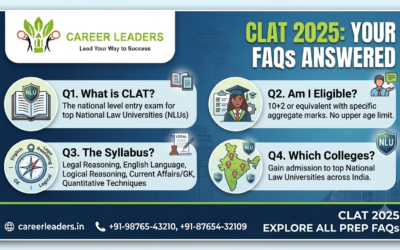
CLAT for law programmes at participating institutions
IPMAT for integrated management programmes
BBA entrance exams for undergraduate management courses
BCA entrance exams for computer application programmes
BJMC entrance exams for journalism and mass communication courses
Hotel management entrance exams for hospitality-related programmes
However, the exact exam you need depends on the course and college you are targeting. Therefore, always check the latest admission requirements before starting your preparation.
Choosing the Right Entrance Exam Based on Your Career
Choosing the right entrance exam becomes easier when you connect the exam with your career objective.
For instance, if your goal is to build a career in law, you should explore law-related entrance exams instead of selecting an exam only because it is popular. Similarly, students interested in management should understand the different management programmes and their admission routes.
Here is a simple way to think about it:
| Career Interest | Possible Course | Entrance Exam Options |
|---|
| Law | BA LLB / Law | CLAT and other law entrance exams |
| Management | Integrated Management / BBA | IPMAT, CUET and other BBA exams |
| Computer Applications | BCA | CUET and university-specific exams |
| Journalism | BJMC | CUET and university-specific exams |
| Hospitality | Hotel Management | NCHMCT JEE and other relevant exams |
This does not mean every student must follow the same route. Instead, use the table as a starting point for research.
Moreover, check the colleges you want to target. Their eligibility criteria, accepted exams, and admission procedures can vary.
Career Based Entrance Exams: Match Your Exam With Your Goal
Career based entrance exams can help students follow a more focused preparation strategy. Instead of preparing for an exam without knowing why they are taking it, students can first understand the career they want to explore.
For example, a student interested in management may compare different management programmes before deciding which entrance exam to prepare for. Similarly, a student interested in hospitality can research hotel management courses and the entrance exams connected with them.
This approach has several benefits:
- It gives your preparation a clear direction.
- It helps you select relevant study material.
- It makes college research easier.
- It reduces confusion between different exams.
- It helps you create realistic academic goals.
In addition, understanding the purpose behind an exam can improve motivation. When students know what they are preparing for, daily preparation can feel more meaningful.
How to Compare Different Career Options After 12th
Sometimes, students are interested in more than one career. That is completely normal. Instead of choosing immediately, compare your options.
Create a simple comparison sheet and consider:
1. Interest:
Does the field genuinely interest you?
2. Skills:
Do your current strengths match the field?
3. Course:
Does the course teach skills that you want to develop?
4. Entrance Exam:
What entrance exam is required?
5. College Options:
Which colleges offer the course?
6. Career Opportunities:
What types of roles can you explore after graduation?
7. Long-Term Growth:
Does the field provide opportunities for further education and professional growth?
As a result, you can make a more informed decision instead of relying on assumptions.
Common Mistakes Students Make While Choosing a Career
Choosing a career can become difficult when students follow the wrong approach. Therefore, it is important to avoid some common mistakes.
Following Friends
Your friend’s career choice may be suitable for them but not necessarily for you. Everyone has different interests, skills, and goals.
Choosing a Career Because It Is Popular
Popular careers can offer opportunities. However, popularity alone should not be the reason for choosing a particular field.
Ignoring Course Details
Students sometimes focus on the name of a career but do not research the course. Always understand what you will actually study.
Selecting an Exam Without Understanding the Course
An entrance exam is a pathway to a course or institution. Therefore, understand the destination before choosing the exam.
Depending Only on Marks
Academic performance matters, but it is not the only factor. Your interests, skills, personality, and goals also deserve attention.
How Career Planning Can Make Entrance Exam Preparation Easier
Once you know your career direction, entrance exam preparation can become more structured. Instead of preparing randomly, you can focus on the syllabus and skills required for your target exam.
For example, you can divide your preparation into four stages:
Stage 1: Understand the Exam
Learn about the syllabus, exam pattern, eligibility, and important dates.
Stage 2: Build Your Concepts
Strengthen the subjects and skills required for the exam.
Stage 3: Practise Regularly
Solve previous-year questions, practice exercises, and mock tests.
Stage 4: Analyses and Improve
Review your mistakes and work on areas where you need improvement.
Moreover, students preparing for multiple entrance exams can identify common subjects and skills. This can help them manage their preparation more efficiently.
How to Choose the Right Course After 12th
Another important part of career planning is learning how to choose the right course after 12th. Your course should support the career direction you are interested in while also helping you build useful skills.
Before selecting a course, check:
- Course duration
- Subjects and curriculum
- Eligibility requirements
- Admission process
- Entrance exam requirements
- College options
- Internship opportunities
- Further study options
- Career opportunities after graduation
In addition, talk to people who understand the field. You can speak with teachers, mentors, seniors, or career counselors to gain practical insights.
Remember that there is rarely one perfect career choice for everyone. The right choice depends on your individual goals and circumstances.
Final Thoughts on Choosing the Right Career After 12th
Choosing the right career after 12th should be a thoughtful process rather than a rushed decision. Instead of starting with the question, “Which entrance exam should I prepare for?”, start with a more important question: “What kind of career do I want to explore?”
First, understand your interests and strengths. Then, explore suitable career fields and courses. After that, research the colleges and entrance exams connected with those courses. Finally, create a preparation plan based on your chosen goal.
With the right information and a clear approach, students can reduce confusion and make better decisions about their future. Therefore, take time to research your options, compare different pathways, and choose an entrance exam that supports your career goals.
A well-planned decision today can help you move towards the right academic and professional direction tomorrow.
Career Leaders
D-151-A, 2nd Floor, Opposite Laxmi Nagar Metro Gate No-5, Laxmi Nagar, New Delhi, Delhi 110092
Phone
+(91) 95827-15775










































































































































































0 Comments